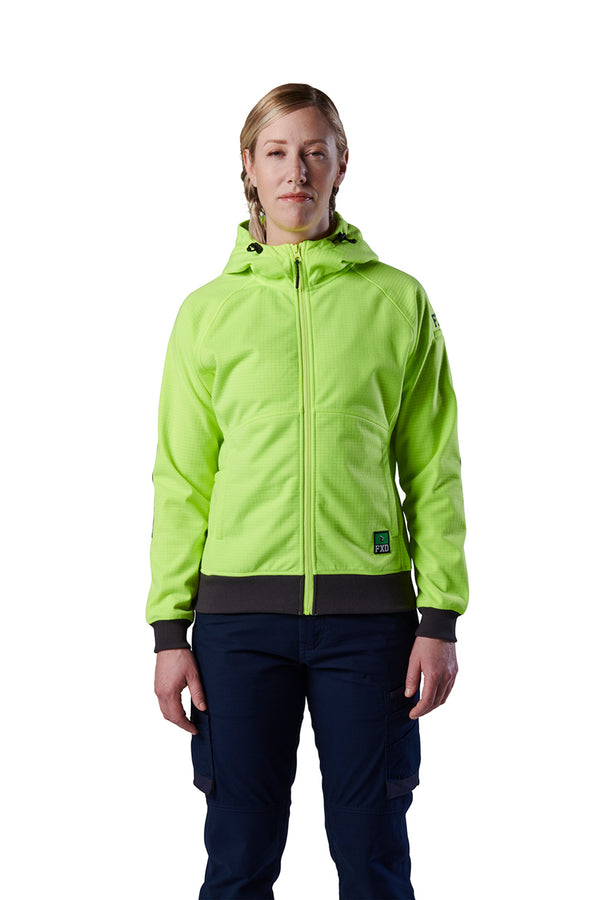
Hi Vis Jumpers

The Hi Vis Jumpers collection meets Australian safety standards while keeping you comfortable. Bright, visible options in styles designed for real working conditions. Safety gear that works. Afterpay and Zip available.

Hi Vis Jumpers for Australian Conditions

Hi-vis jumpers and hoodies for the middle of the year, when a shirt isn't enough and a jacket is too much. 

The Layer That Gets the Most Wear

Between about April and September, the mid-layer does more work than anything else in the kit. A hoodie goes on at a six o'clock start, comes off by ten, and goes back on when the wind picks up in the afternoon. It's a small range compared with the shirts, but it's the one people replace most often.

FXD and CAT carry the largest share, with the occasional addition of other brands seasonally.

Fleece, Bonded Membrane and Quarter-Zips

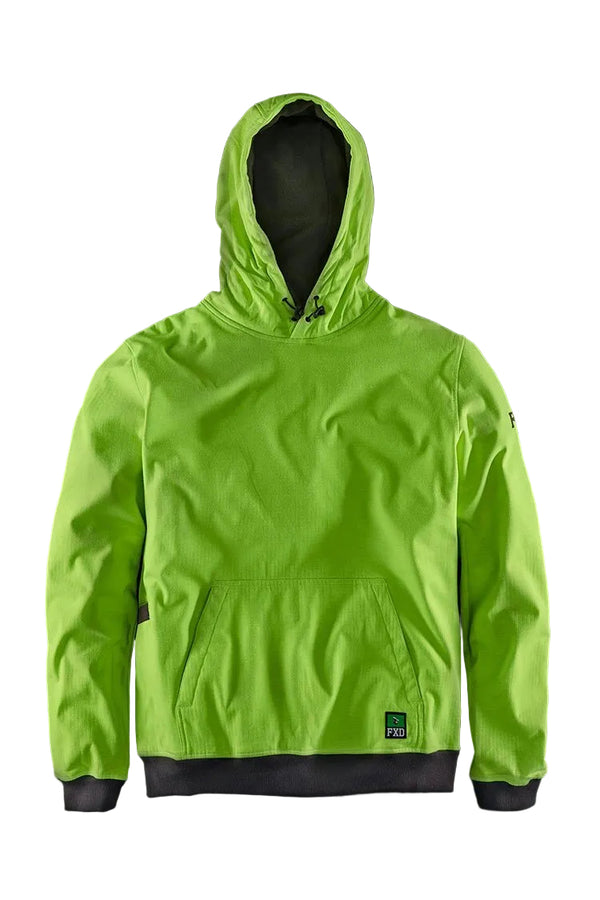
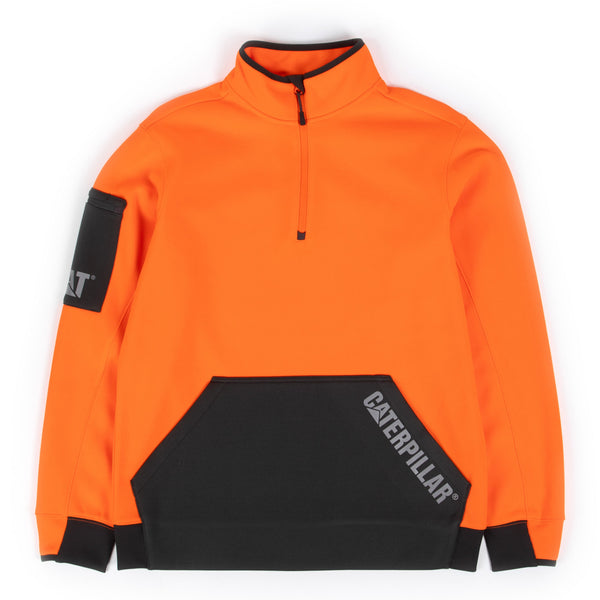
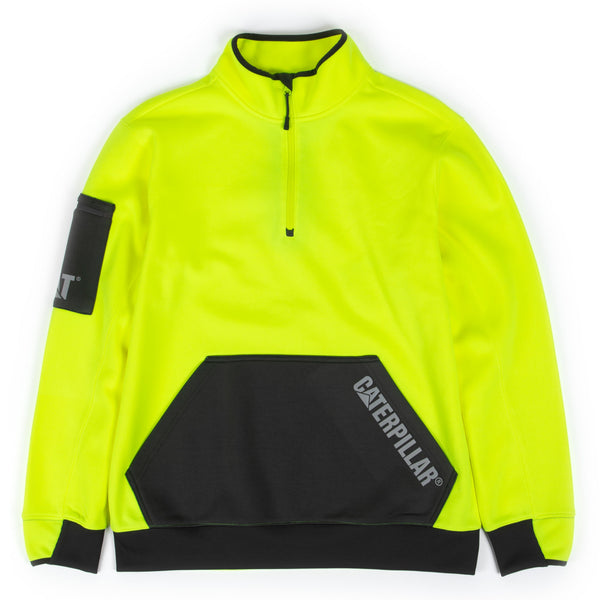
Standard quarter-zip hoodies make up the core, in single-tone and two-tone. The bonded-membrane fleece styles are the interesting ones - a fleece face with a wind-resistant layer bonded behind it, in one-layer and three-layer builds, which gives you most of a light jacket's wind protection in something that still feels like a jumper.

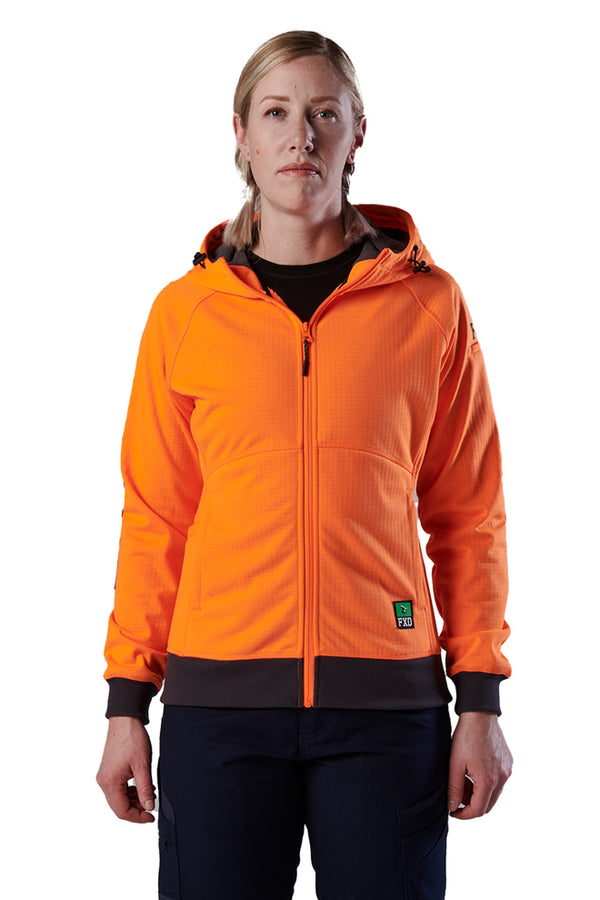
Quarter-zip fleece pullovers and sweatshirts suit anyone who'd rather not have a full zip. Zip fronts have the practical edge on site, because you can vent without taking the thing off over your head and your hard hat.

Almost All Plain Fluoro

Every style here is plain fluoro without tape. That's worth noting before you order, since a hoodie pulled on over a taped shirt covers the tape underneath it. If that matters for how you work, check the listing or look at the hi-vis jackets range instead, where taped options are more common.

Colours usually run yellow and orange with navy, and some styles pair the fluoro with dark shadow grey. It pays to check the features of the different fleece options before deciding which will suit your work site. Plain fleece is great for warmth, but lets wind straight through, which is fine under a jacket, but useless on its own in an open paddock.

Fleece with a windproof membrane is another thing entirely, often also offering water resistance alongside the windproof element. Bonded and membrane-backed fleece costs more and stops wind, which is what makes it a genuine outer layer rather than a mid-layer. 

Sort the Cold Mornings Out

These jumpers and hoodies sit inside the wider hi-vis range and go out with free shipping across Australia on orders over $175. Check out the size guide on the individual product pages to make sure you get the size that suits how you’re going to layer your garment. 

The showroom at Parafield has all the styles in stock if you want to feel how the bonded-membrane styles differ from plain fleece. 

Also stocked:


Frequently asked questions

Are hi vis jumpers and hoodies compliant with AS/NZS 4602.1 for site work?

It depends on the style. The FXD WF-1 Bonded Membrane Fleece Hi Vis Hoodie is made to AS/NZS 4602.1-2011 for high visibility safety garments. The same can be said for the CAT hi vis hoodies and quarter zip sweatshirts, available in fluoro orange and yellow. Always check the garment label before wearing any hoodie as your hi vis layer, and confirm it meets your worksite's requirements. If your site asks for Day/Night gear, look for a style that states that class.

What is the difference between Day, Night, and Day/Night hi vis?

Day (Class D) garments use fluorescent fabric that stands out in daylight but doesn't perform well under headlights or artificial light. Night (Class N) garments rely on retroreflective tape, which bounces light back to its source, so they're for night use only. Day/Night (D/N) garments combine fluoro fabric and tape for both. Only fluorescent yellow, orange and orange-red meet Australian daytime requirements. Pink, blue and green are generally not accepted on worksites, so check with your supervisor. A fluoro hoodie without tape should be treated as daytime wear. Our hi vis buying guide explains each class in more detail.

Do hi vis jumpers and hoodies run true to size?

Fit varies by brand, so check the size chart rather than guessing. Hoodies are usually worn as a mid or outer layer, so measure your chest over the shirt you'll wear underneath, such as a lightweight Ritemate hi vis shirt. The FXD sizing guide lists men's tops from S (92cm chest) to 3XL (117cm), and the CAT sizing guide covers XS to 4XL. If you're between sizes, sizing up usually gives easier movement.

Which hi vis jumper is warmest for cold morning starts?

For the coldest, windiest starts, a heavyweight fleece hi-vis hoodie with a windproof layer is a great choice. FXD’s bonded membrane fleece combines warmth with wind and water resistance, making it particularly useful on exposed worksites. CAT also offers heavyweight fleece hi vis hoodies for chilly starts, along with lighter sweatshirts that suit milder conditions or active work. When choosing a jumper, consider both fabric weight and wind protection, as thicker fleece isn’t always warmer in a cold breeze. On really cold or wet days, add one of our hi vis jackets over the top.

How long does the reflective tape last with regular washing?

There's no set number of washes, since tape life depends on the tape type, how it's washed and dried, abrasion and sun exposure. Check the care label for any manufacturer guidance. Some hoodies use reflective logos or trims rather than full tape bands, so check the listing to see what you're getting. Replace the garment if the tape is cracked or peeling, or once the fluoro colour has faded, because faded hi vis isn't effective. Regularly worn hi vis often needs replacing around every 6 months, as our hi vis buying guide explains.

How do I wash a hi vis jumper or hoodie to protect the tape?

Start with the care label. Generally, close any zips, turn the hoodie inside out and wash it cold on a gentle cycle with a mild detergent. Avoid bleach and fabric softener, which can dull fluoro colour, reduce fleece performance and affect water-resistant finishes. Line dry in the shade instead of tumble drying, as heat can damage tape and reflective prints, and don't iron over them. Wash it separately from Velcro and heavy canvas gear to limit pilling and abrasion. When the colour fades or tape starts peeling, find a replacement in our hi vis workwear range.